
01242 708468
Knowledge Centre / Photography advice / Photographing Autistic and Neurodivergent Family Members
A guide to a more relaxed photoshoot.
By John MooreDD Month YYYY5 min read

In short
With a little preparation, good communication and a patient photographer, a family photoshoot can be a positive experience. Tell your photographer what helps in advance, ask about sensory needs and a quiet space, take the pressure off smiling and eye contact, and allow breaks whenever they’re needed.
A professional family photoshoot should be an enjoyable experience for everyone involved. But for some autistic people, people with ADHD and others who are neurodivergent, the thought of visiting an unfamiliar photography studio or being asked to pose in front of a camera can feel a little daunting. The good news is that with a little preparation, good communication and the right photographer, there’s no reason why a family photoshoot can’t be a positive experience.
Everyone is different, of course. What helps one person feel comfortable may not work for another. The most important thing is to understand the individual rather than make assumptions about what they might need.
Before booking a photoshoot, it’s worth having a conversation with the photographer you’re considering. Ask whether they have experience photographing autistic or otherwise neurodivergent children and adults, and how they approach sessions where someone may need a little more time, reassurance or flexibility. You don’t necessarily need a photographer who specialises exclusively in neurodivergent clients, but you do want someone who is patient, understanding and happy to adapt their approach.
A photographer who insists on rigid poses, constant eye contact or everyone smiling on command may not be the best choice for your family. Look for someone whose photography feels natural and relaxed. Most importantly, make sure your photographer knows about any particular requirements before you arrive for the appointment. Nobody wants to be explaining everything for the first time while standing in a busy reception area with a nervous child.
Parents and carers often have a much better understanding of what helps their child feel comfortable than somebody meeting them for the first time. You might know that your child prefers clear instructions, needs a little time to settle into an unfamiliar environment or doesn’t particularly like being touched. Perhaps they find bright lights uncomfortable or become overwhelmed when several people are talking at once.
These are useful things to explain to your photographer in advance. It’s not about giving someone a list of Concerns It’s about helping the photographer understand the person they’re going to be photographing. And, of course, this applies to adults too. Where possible, ask the person being photographed what they would prefer rather than assuming their needs.
For some people, particularly those who find unfamiliar situations stressful, knowing what will happen beforehand can make an enormous difference. A simple way of preparing is to look through the photographer’s website together. Have a look at the photographs, the style of photography and any pictures of the studio itself. If the photographer has a short video showing the studio and what happens during a session, that can be particularly helpful.
You might also want to explain what the appointment will involve, roughly how long it will last and who will be there. If someone is especially nervous, ask whether the photographer would be happy to arrange a brief visit before the actual photoshoot. Being able to see the studio, meet the photographer and understand the surroundings beforehand might remove much of the uncertainty. Not everybody will need this, but for those who do, it’s well worth asking.
Photographic studios can be unusual environments. There may be large lights, unfamiliar equipment, background music and several people moving around. Some autistic and neurodivergent people experience sensory sensitivities, although these vary greatly between individuals. A few things worth discussing with your photographer include:
Not everyone will experience these difficulties, and it’s important not to assume that they will. The best approach is to ask the individual or their family what works for them.
One of the biggest mistakes anyone can make during a photoshoot is putting too much pressure on someone to perform. Constantly asking a child to smile, look at the camera, stand in a particular position or behave in a certain way can sometimes make them increasingly uncomfortable. This is particularly important if someone is already feeling anxious. A much better approach is often to keep things light-hearted and allow people to settle in naturally.
There doesn’t have to be a perfect smile in every photograph. In fact, some of the most meaningful portraits are those where someone is simply being themselves. A thoughtful expression, a spontaneous laugh or a quiet moment between family members can tell a wonderful story. A good photographer should be able to recognise and capture those moments without forcing them.
Large family photoshoots can be busy occasions. There might be grandparents, parents, children and siblings all chatting and moving around while different photographs are being taken. For someone who finds large groups or noisy environments overwhelming, it can be helpful to have somewhere quieter to spend a little time. If they’re not needed for a particular photograph, they might prefer to sit somewhere away from the main group, either on their own or with someone they trust.
Before booking, ask whether the studio has a suitable space where someone can take a break. If you’re planning an outdoor photoshoot, think about whether there’s somewhere peaceful nearby. This isn’t about separating anyone from the family. It’s simply about giving people a choice. Some people will be perfectly happy staying with the group throughout the session. Others may appreciate a little time away. Both are absolutely fine.
Occasionally, even with careful preparation, someone might find the experience a little too much. If that happens, the most important thing is not to panic or put additional pressure on them. Simply allow some time out. If it’s a family photoshoot, the photographer may be able to continue taking pictures of other family members while the person who needs a break spends some time somewhere quieter.
They can then be invited to rejoin when they feel comfortable and ready. There’s no need to make a big fuss or draw attention to the situation. Sometimes a few minutes to relax, regroup and become comfortable again is all that’s needed. Other times, someone might not want to continue, and that should be respected too.
Our advice: Before booking, ask your photographer how flexible the session can be if someone needs a break or decides they don’t want to take part.
Not everyone communicates in the same way. Some people are comfortable with lots of conversation. Others prefer short, straightforward instructions or need a little more time to process what’s being asked. Some may communicate without speech or use alternative ways to express themselves. Photographers should be prepared to adapt their communication style to suit the individual. It can also help to discover whether someone has a favourite interest or hobby.
Talking about something they enjoy can be a lovely way to build a connection, provided they’re happy to engage. And remember that eye contact isn’t essential for a successful photograph. Sometimes looking away from the camera, concentrating on an activity or interacting naturally with a family member can produce a much more meaningful picture.
Over the years, I’ve photographed many autistic children and people with different neurodivergent needs. I also have family members with autism and ADHD, so I appreciate that everybody is different and that situations sometimes need to be approached thoughtfully. My experience has generally been very positive. I’ve found that keeping sessions relaxed, giving people time and not putting pressure on them often makes an enormous difference.
I have people with a range of neurodiversity in my family, and I am currently going through an ADHD assessment myself, so I do understand!
Children with ADHD, especially if they’re a little bit younger, can be full of energy, but honestly, embrace it. This is them. Let them go a bit wild, and if they’re on the other end of the spectrum, let them be themselves as well. This is what photography is all about.
If someone needs a little break, that’s fine. If they’d rather watch other family members being photographed before joining in, that’s fine too. It’s about allowing people to participate in a way that feels comfortable for them. Of course, no approach will work for absolutely everyone, which is why listening to the individual and their family is so important.
It’s easy to think that a successful family photograph means everyone standing neatly together, looking straight at the camera and smiling. But that’s only one type of photograph. Sometimes a quiet moment, a natural expression or a spontaneous interaction can be far more special. The aim shouldn’t be to make someone behave differently just because there’s a camera in front of them. It should be to capture something of who they really are.
For autistic and neurodivergent family members, a little understanding, patience and flexibility can make the difference between a stressful experience and one that feels genuinely enjoyable. And ultimately, everyone deserves to feel comfortable, respected and included in their family photographs.
For families who would like more information, these organisations provide helpful advice:
Last reviewed DD Month YYYY
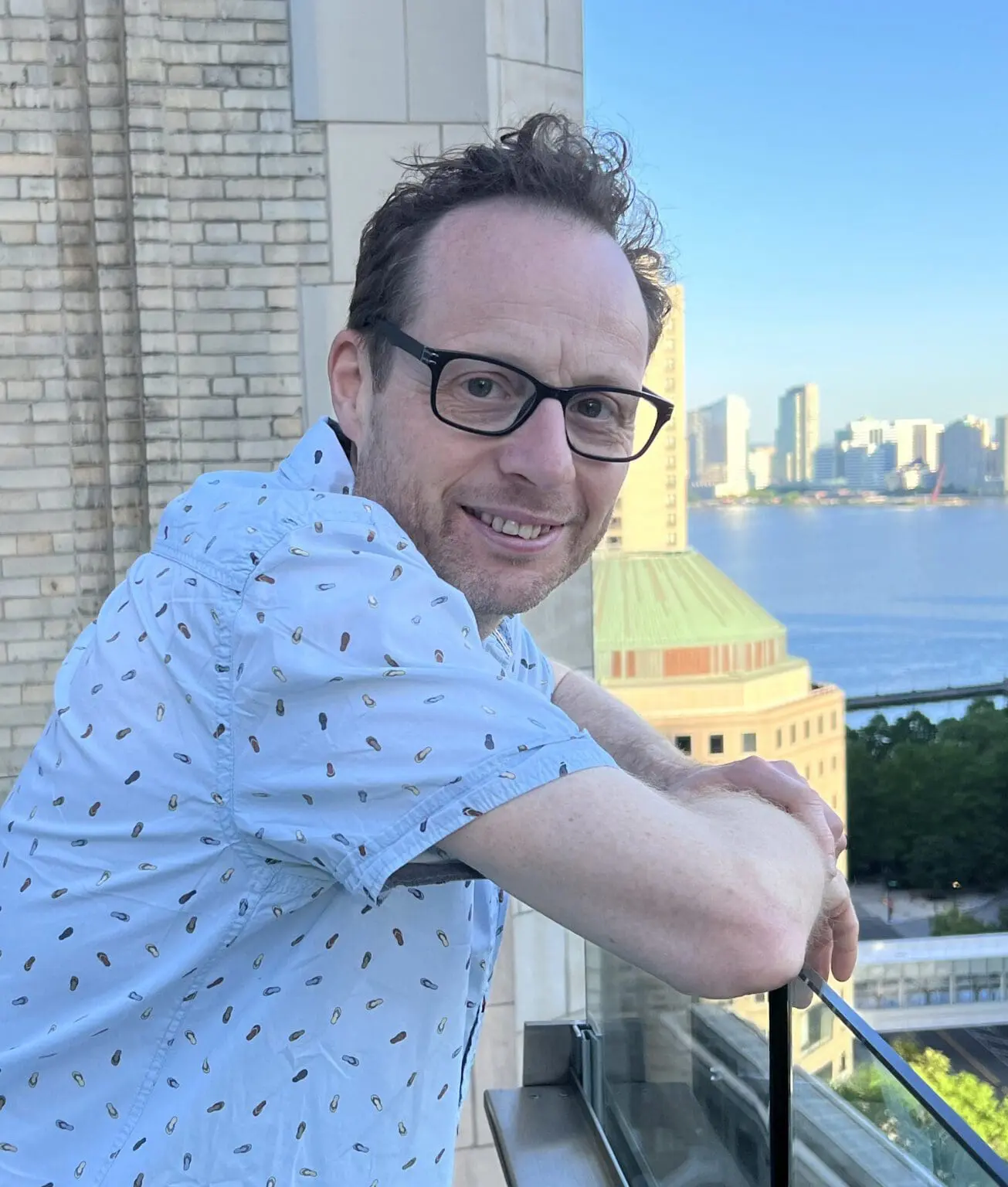
John Moore
Owner and photographer
John Moore is the owner and photographer at Two Front Teeth Photography, an independent family and dog photography studio in Cheltenham, Gloucestershire. Established in 1999, the studio has more than 25 years’ experience creating relaxed, natural family and pet portraits. John believes the best photographs capture personalities, relationships and the little moments families will treasure for years to come.
Tell us what would help your family feel comfortable, and we’ll talk it through.