
01242 708468
Knowledge Centre / Framing and prints / What Is Fine-Art Portrait Photography — and Is It Worth It?
A guide to creative portraits, textured finishes and beautiful fine-art papers at Two Front Teeth Photography in Cheltenham.
By John MooreDD Month YYYY5 min read
In short
Fine-art portrait photography is a creative approach to the whole portrait: atmospheric lighting and backgrounds, careful finishing such as textures or film-inspired edges, and specialist papers like German Etching, Baryta or Photo Rag Metallic. It can cost more than a standard print, and is worth it if you want a unique piece for your wall.
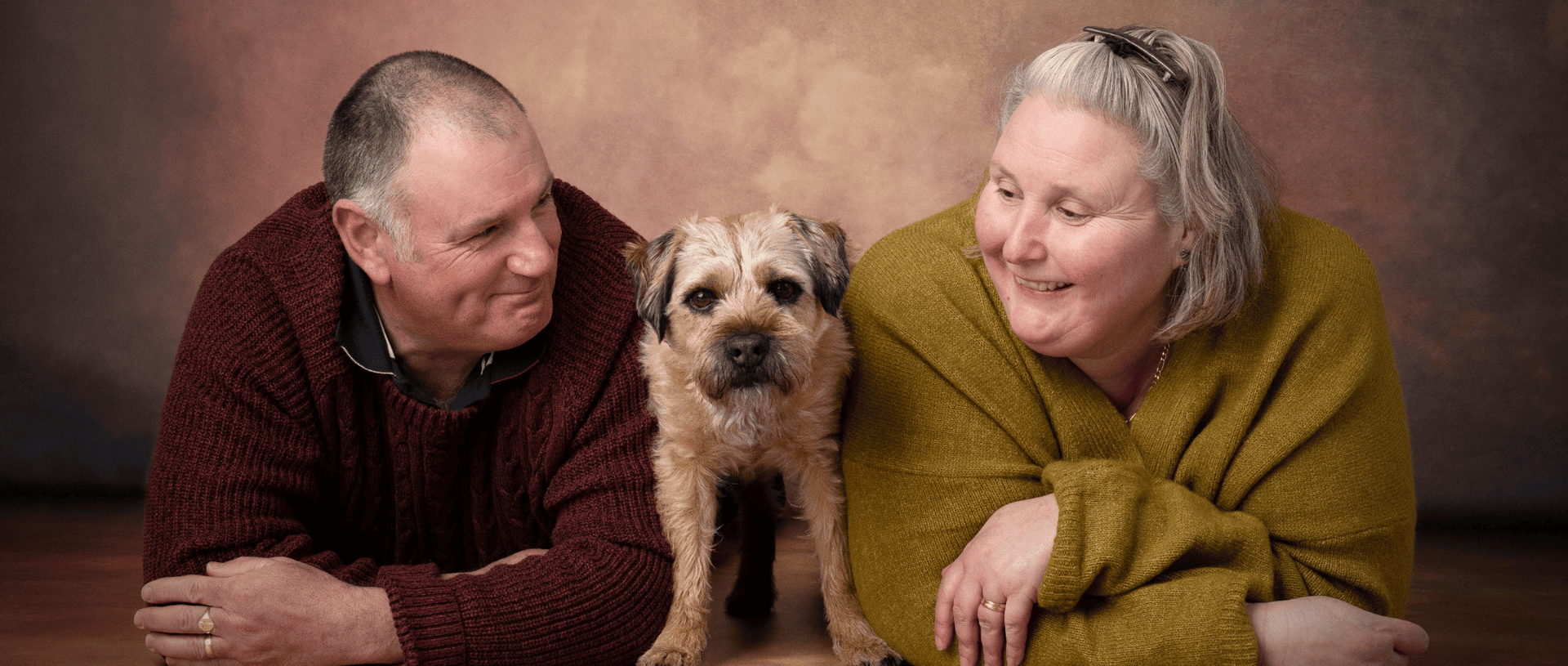
Fine-art portrait photography is not one single look or one particular type of paper. It is a creative approach to making a portrait: how it is photographed, how it is thoughtfully finished afterwards, and how the final piece is printed and presented. The aim is to make something personal and distinctive that you would love to display in your home.
That does not mean an ordinary portrait is somehow less meaningful. A clean, beautifully lit family or dog portrait can be exactly the right choice. Fine-art treatments are another option for someone who wants a little more atmosphere, texture or artistic character.
The creative process begins long before the printing. At Two Front Teeth, we can use carefully chosen lighting and textured backgrounds to give a portrait a particular mood. Some backgrounds have the warmth and character of a painted backdrop, making them especially lovely for individual portraits, dogs and more expressive compositions.
The essential photograph still matters most: the person, the connection, the expression, the personality. Fine-art finishing is there to complement that, not distract from it.
After the shoot, we can explore creative finishes. For example, we might blend a photograph with a delicate texture inspired by crinkled paper, hessian, handmade paper or an artist’s canvas. This gives the portrait a tactile, layered quality without turning it into a completely different photograph.
We can also experiment with vintage-film-inspired borders and treatments. Think of the shape of a 35mm film strip, the character of a large-format negative, or softly distressed edges that seem to fade naturally away. These effects are a deliberate artistic choice, never something every portrait needs.
John’s love of these effects goes back to growing up in the 1980s and being inspired by the visual style of album artwork, including the Pixies. In the days of large-format peel-apart instant film, revealing a photograph could leave beautifully imperfect edges and chemical marks. Those unpredictable details had a character of their own.
Today, digital editing gives us the freedom to draw inspiration from those analogue techniques, while keeping the original portrait at the heart of the picture. The point is not to make the person unrecognisable: it is to create something memorable and artful.
When I was a teenager in the 1980s, there was a band called The Pixies, and some of their album covers were photographs that had effects applied to them that made them look like they had chemicals poured around the edges. I always loved them, and this is the sort of thing we do here now. It almost makes them look like they’ve been stowed away for many years and the edges have started to degrade.
Paper is part of the finished artwork, not an afterthought. We can help you choose a surface that suits the photograph and the atmosphere you want to create. Three of the specialist finishes we are exploring are:
Hahnemühle German Etching has a beautifully textured, matte surface reminiscent of traditional watercolour or artist’s paper. It lends portraits a gentle, handcrafted quality, particularly when paired with subtle background textures and softer tones.
Baryta-style fine-art papers offer a refined photographic sheen, striking detail, rich blacks and lovely contrast. They can evoke the depth of traditional darkroom prints, and work beautifully with both dramatic black-and-white photography and richly coloured portraits. The exact appearance varies between Baryta papers.
Hahnemühle Photo Rag Metallic is a cotton-based fine-art paper with a subtle metallic sheen. It can give selected images a luminous quality and beautiful depth, particularly with bold lighting and rich tonal contrasts. It is an exciting option, and very different to most prints that people see day to day.
You will not need to decide everything on the day of your photography session. First, we concentrate on taking beautiful photographs. Afterwards, we can look at the images together and explore examples of possible treatments, from subtle textures to film-inspired edges. Then we can choose the paper and consider how you would like the finished piece presented.
Think of it as a creative menu, not a long list of decisions you must make at once. We will guide you one step at a time, with the aim of creating something that feels unmistakably yours. As this specialist offering develops, we plan to have physical examples available so you can compare the looks and surfaces in person.
The final frame should complement the photograph. For a framed fine-art piece, we recommend considering anti-reflective art glass. It reduces distracting reflections so you can appreciate the image and its subtle details more clearly. It is an option we recommend, not a compulsory extra. Your choice of frame, mount and glazing can be made later in the process.
If you’d like to know more about this, please visit the Knowledge Centre on our website, where we have a section on framing and all the different types of glass that are available.
It can be, if you value a carefully crafted, individual piece for your wall and enjoy being involved in the creative choices. Specialist papers, additional finishing work and framing may cost more than a straightforward photographic print. But not everyone needs those extras, and an excellent conventional portrait remains a wonderful choice.
At Two Front Teeth Photography, the ambition is simple: start with a photograph that captures someone you love, then—if it suits you—turn it into something unique, creative and personal. Something that will absolutely knock your socks off.
Last reviewed DD Month YYYY
John Moore
Owner and photographer
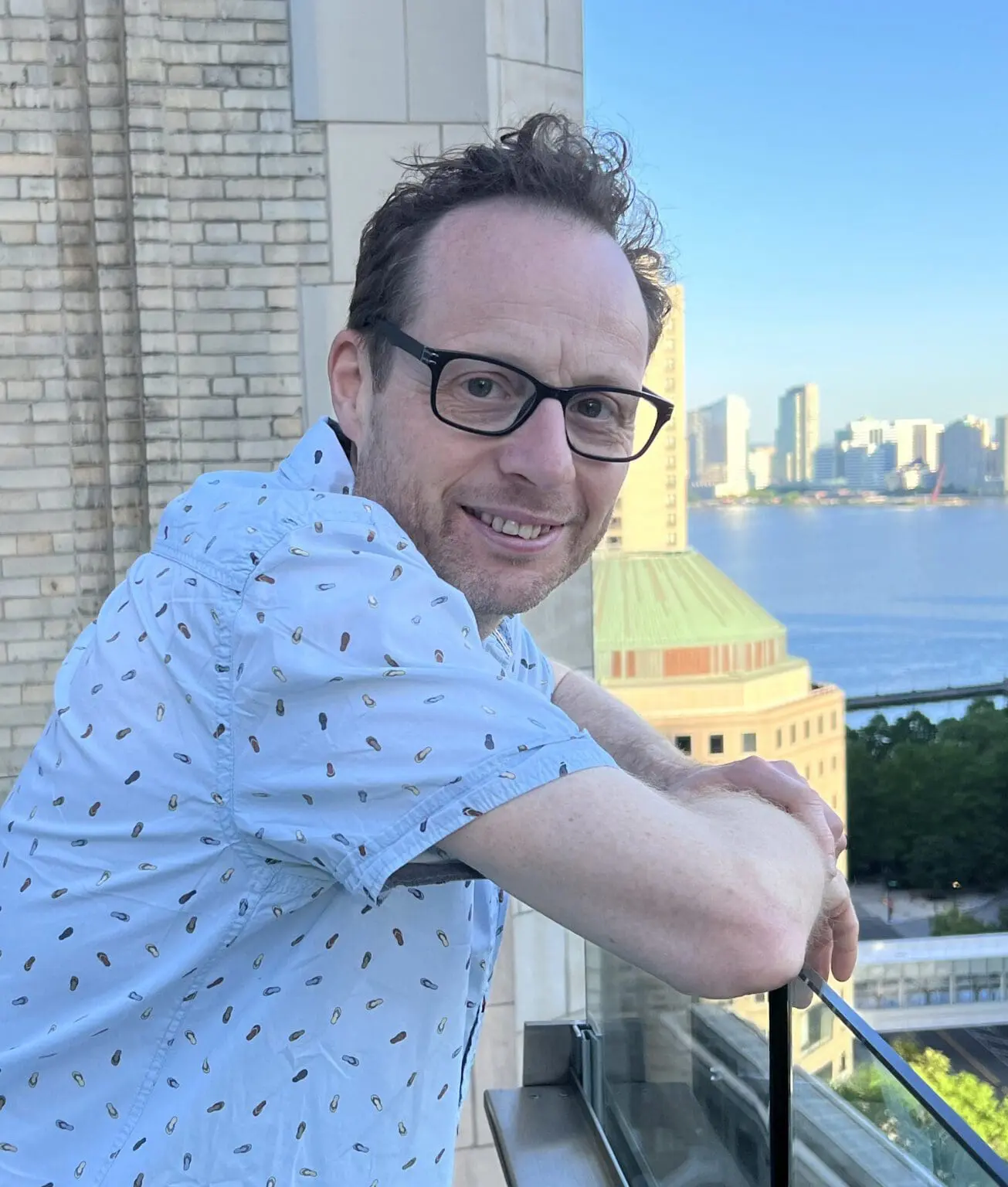
John Moore is the owner and photographer at Two Front Teeth Photography, an independent family and dog photography studio in Cheltenham, Gloucestershire. Established in 1999, the studio has more than 25 years’ experience creating relaxed, natural family and pet portraits. John believes the best photographs capture personalities, relationships and the little moments families will treasure for years to come.